
our latest updates
Read our latest insights and commentary on the news and trends affecting the global wagering industry.
Featured









NEWS
Read our latest insights and commentary on the news and trends affecting the global wagering industry.
Prediction markets have made thousands of events tradeable, opening an insurance-like channel for businesses to manage risk. But those contracts are not automatically useful commercial hedges. Businesses must still quantify their exposure and manage the position.
This creates opportunities for firms that combine operating data and specialist expertise to structure and distribute hedges, and for capital providers willing to price and hold the risk.
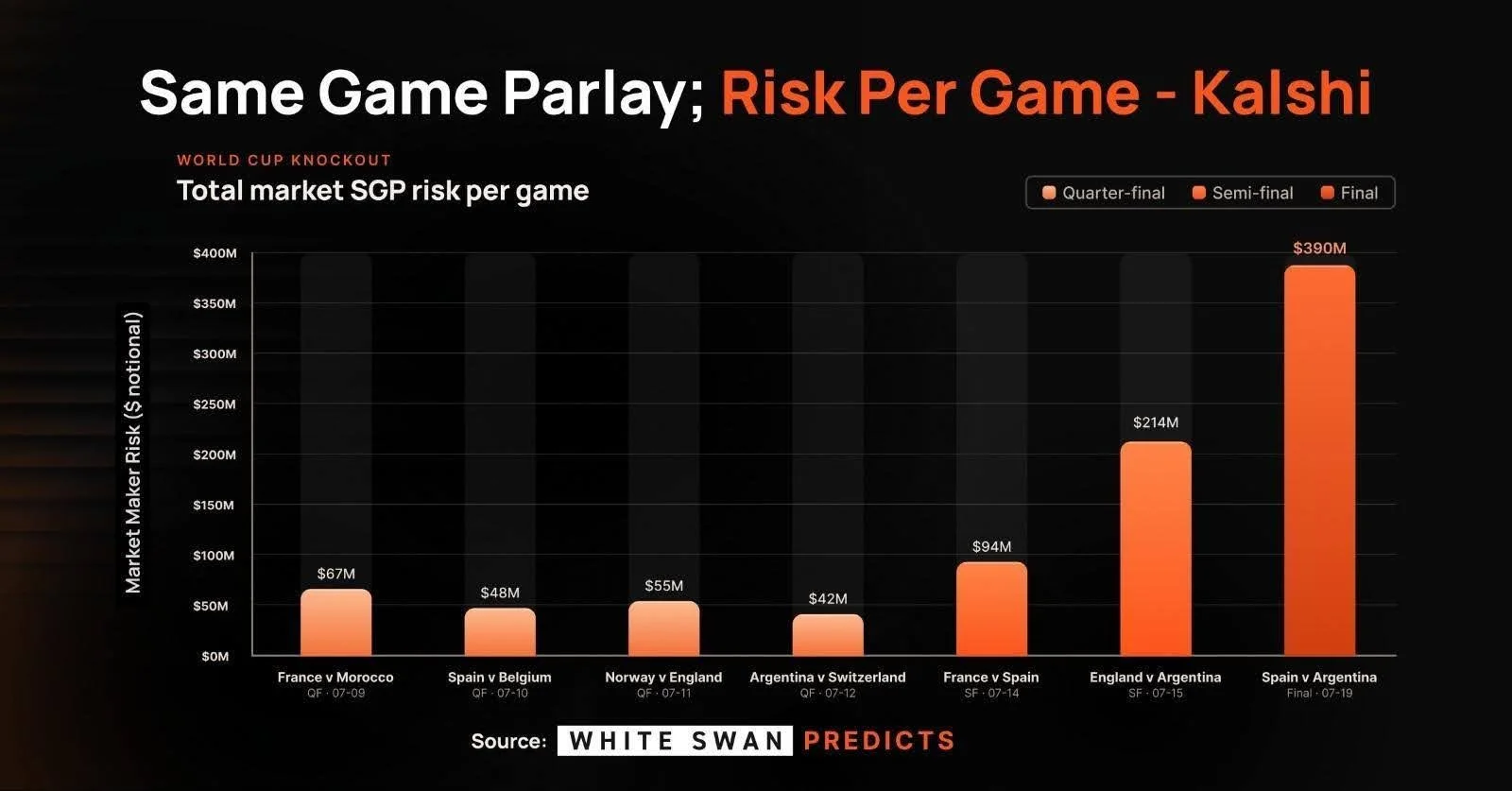
Parlays are the sportsbook's best product, pairing recreational demand with exceptional economics. That high-margin flow is now moving onto regulated prediction-market exchanges, where makers compete to take the other side of each bet. Professional betting syndicates have spent decades pricing sport, modelling correlation and managing risk across thousands of markets. Given capital, they are better placed than generic trading firms to capture value in prediction-market combos.
Barry Diller and Tilman Fertitta are betting big on casinos, backing deals worth more than $35 billion combined. As capital floods into AI, land-based gaming looks like a legacy asset. But the floor owns what online cannot replicate: permission, place and people. The opportunity is the digital layer around it.
Waterhouse VC is seeing more individuals and teams attempting to build serious betting operations, with AI acting as the catalyst. The question is whether AI helps new teams get close enough to compete, or simply makes the strongest groups more efficient. AI may help more teams look sophisticated. Reaching that level is harder.
In Australia, the gap between what licensed operators can offer and what illegal operators do offer is already wide, and tighter advertising restrictions are likely to widen it further. Enforcement has not kept pace. For Waterhouse VC, the takeaway is clear: as pressure on licensed operators increases, the suppliers helping them stay competitive become more valuable.
In an era where artificial intelligence is eroding software advantages faster than ever, the strongest moats are increasingly built on physical infrastructure, regulatory complexity and hard-won trust. Evolution, a supplier of live casino games and digital content to online operators, is one of the clearest examples of that in wagering.
If people want access to something online, supply will find them. The counter to offshore leakage is giving the regulated market the conditions to compete. For APAC, New Zealand is shaping up as the test case. For Waterhouse VC, it is a signal of opportunity. If they get it right, others will pay attention.
Waterhouse VC was established with a simple belief: wagering technology represents a significant yet often overlooked opportunity within the investment landscape. Despite the sector's scale and structural growth, it remains underserved by traditional venture capital. Over the six years since our inception, these tailwinds have only strengthened, validating our focus on the "picks and shovels" of the global gambling ecosystem.
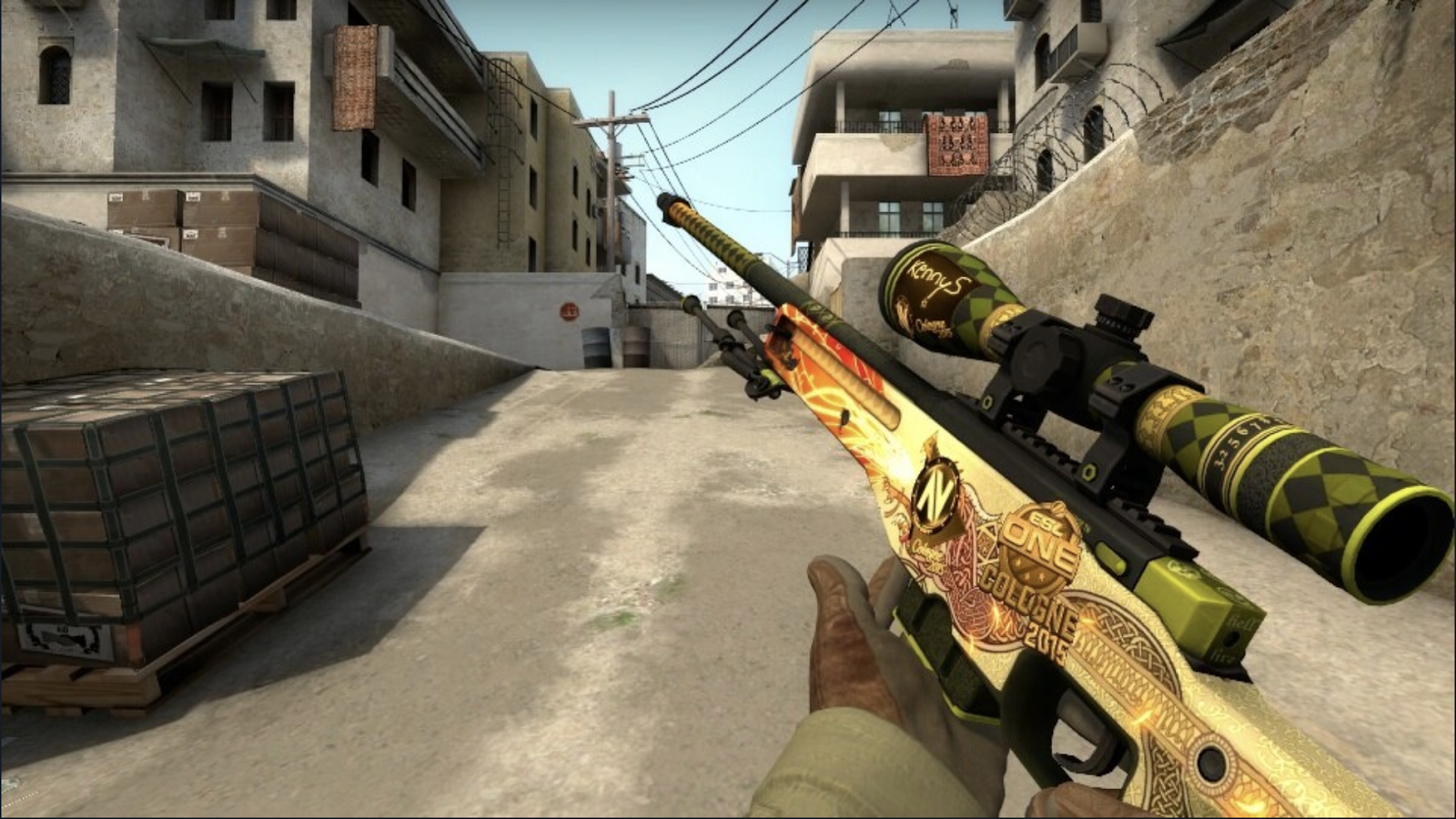
When scarcity turns items into status symbols, mystery mechanics become one of the most effective ways to monetise them. But most crazes fade. The difference is utility: items you can price, trade, stake and cash out. Counter-Strike shows what happens when that utility takes hold. The free-to-play shooter lets players buy, sell and trade cosmetic weapon skins in a market now worth US$5.7 billion. You'd assume gamers drive that number. Much of it comes from gamblers, traders and speculators more interested in price action than headshots.
Same Game Parlays (SGPs) allow bettors to combine multiple outcomes within a single match, offering lottery-style payout potential. For operators, they solve a critical problem: rising costs squeeze margins on traditional betting, but SGPs routinely deliver margins above 20%. The appeal to bettors and structural margin advantage have made them the most important product innovation in modern sports betting.