


Tom Waterhouse, Chief Investment Officer at Waterhouse VC, on the fund that invests in undervalued listed and unlisted businesses related to gambling.
Watch the full interview below.

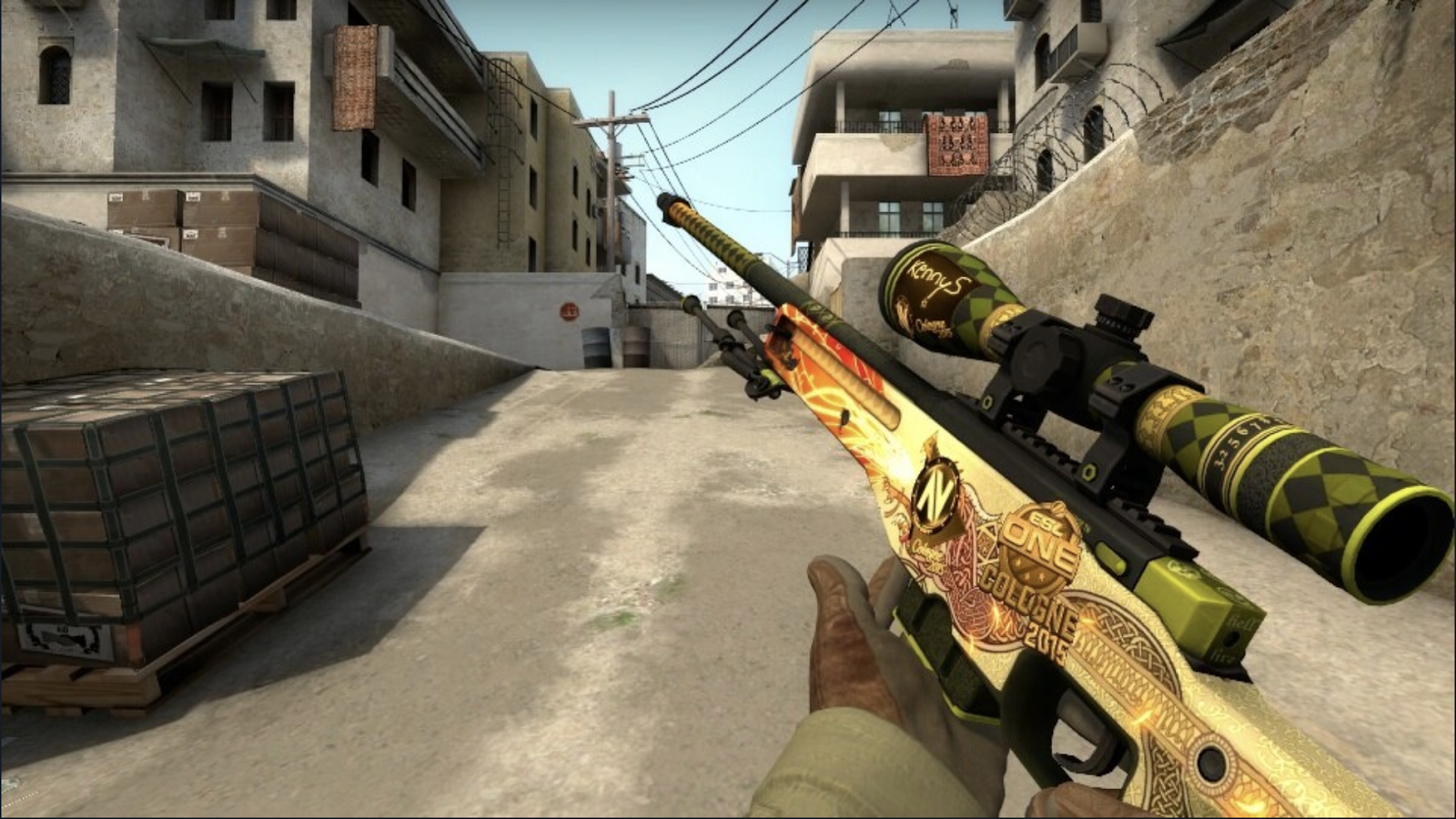
When scarcity turns items into status symbols, mystery mechanics become one of the most effective ways to monetise them. But most crazes fade. The difference is utility: items you can price, trade, stake and cash out. Counter-Strike shows what happens when that utility takes hold. The free-to-play shooter lets players buy, sell and trade cosmetic weapon skins in a market now worth US$5.7 billion. You'd assume gamers drive that number. Much of it comes from gamblers, traders and speculators more interested in price action than headshots.
Same Game Parlays (SGPs) allow bettors to combine multiple outcomes within a single match, offering lottery-style payout potential. For operators, they solve a critical problem: rising costs squeeze margins on traditional betting, but SGPs routinely deliver margins above 20%. The appeal to bettors and structural margin advantage have made them the most important product innovation in modern sports betting.
Profit in wagering is common; scale is the true differentiator. This month we spotlight Bernard Marantelli - one of the few who can industrialise edge. Across White Swan Data, Colossus Bets, Colossus Fantasy, and most recently iBankroll, his career has been a systematic search for scalable edge.
This month we examine Japan's wagering paradox: how the world's third-largest economy became one of the world's largest sources of unregulated betting revenue, why generational change makes the status quo unsustainable, and where the opportunity lies for those positioned to help Japan modernise its wagering market.
The US is a massive growth opportunity for Playtech and they have US experience having been active in the US prior to the bans on online gambling there in 2006. Land-based casinos, state-sponsored lotteries and media companies are among the companies looking to ride the recent online betting boom as gambling is legalised across the country.
China is the largest video gaming market in the world. Of China’s 900 million internet users, over 640 million play video games. Naturally, it’s the biggest esports market, with a third of the world’s audience and revenue. 260 million are even happy to take a back seat and watch the professionals play, via live-streaming services. At the centre of this huge and bustling metaverse is a company called Tencent.


